Business Name: Manning Detail & Coatings
Address: 1812 W Sunset Blvd #30, St. George, UT 84770
Phone: (435) 572-0451
Manning Detail & Coatings
Manning Detail & Coatings is a mobile detailing and ceramic coating outfit that offers a shop, specializing in paint correction and ceramic coatings.
1812 W Sunset Blvd #30, St. George, UT 84770
Business Hours
Monday thru Sunday: 9:00am - 6:00pm
Facebook: https://www.facebook.com/manningdetail.coatings/ Instagram: https://www.instagram.com/manningdetailandcoatings/ YouTube: https://www.youtube.com/@manningdetailandcoatings
A good paint surface does more than make an automobile appearance sharp. It preserves resale worth, hold-ups deterioration, and makes upkeep much easier. The obstacle is that paint lives a difficult life. UV radiation cooks clear coats. Airport parking exposes vehicles to jet fuel fallout and industrial contamination. High-speed journeys sandblast bumpers and rocker panels with aggregate and asphalt. Automatic washes introduce micro-marring that develops into a gray haze. This is where a contemporary ceramic coating makes its keep. Applied properly, it forms a sacrificial layer that resists UV deterioration, chemical etching, and the continuous abrasion of roadway grit.
I have actually corrected and coated hundreds of automobiles in varied conditions, from brand-new German sedans to ten-year-old trucks with milky clear coat. The results correspond when the process is succeeded. The gloss dives. Wash time drops. The finish withstands aspects that would have engraved or stained unguarded paint. It is not magic, and it is not invincible, however it is a measurable upgrade in security and ease of mobile detail manningdetailandcoatings.com care.
What a ceramic coating actually is
Professional ceramic coatings are silica-based liquids that crosslink as they treat. Think about them as a thick, thin glass-like movie that anchors to your clear coat through chemical bonding. Many pro-grade formulas are based on SiO2, often mixed with SiC or TiO2 for extra solidity and UV stability. Customer coverings pattern towards lower solids material and slower treatment profiles, that makes them easier to apply however less durable.
Once cured, a correct finishing steps in microns, not millimeters. You are not setting a thick shell like PPF. You are adding a stiff, slick barrier that is more resistant to oxidation, bird droppings, bug acids, tree sap, and cleaning agents than the underlying clear. Hydrophobic habits is a by-product of the molecular structure, so water beads or sheets off. This does two things: it keeps dirt from sticking as tenaciously, and it speeds drying so mineral spots are less likely.
Two cautionary notes. First, hardness scores in marketing like "9H" are based on a pencil firmness scale that does not equate completely to real-world abrasion. They recommend the covering is harder than many clear coats, which is handy, however it is not scratch-proof. Second, a covering does not stop rock chips. It can minimize micro-marring and resist discolorations, however a high-speed pebble will still chip paint.
UV security that matters after summer season ends
UV exposure is relentless, even on overcast days. Clear coat fails by oxidation and resin breakdown, seen first as fading and then as chalkiness or little crows-foot fractures. A ceramic coating absorbs and shows a part of the UV load before it reaches the clear. Blends with TiO2 deal better UV scatter, though they may a little alter the candy-like appearance of some clears if layered heavily. On daily drivers that live outdoors, the distinction is not instant however builds up over seasons. Coated panels remain glossier, and the clear keeps depth longer due to the fact that oxidation is slowed.
I dealt with a black SUV that lived on a seaside driveway, nose towards the ocean. The hood and roof had the normal salt film and bird traffic. We corrected it at 22,000 miles and applied a two-layer ceramic. The same automobile came back at 48,000 miles. The uncoated plastic trim had dulled, normal for UV and salt air, but the paint still checked out 90 plus GU on a gloss meter after a light decontamination. A comparable model from the exact same community without a finishing measured mid 70s. Numbers do not tell the whole story, though the side-by-side was apparent in sunlight.
Chemical resistance in the genuine world
Modern cars face chemical tension from several angles: acidic bug guts, alkaline winter season pre-soaks, roadway salts, calcium chloride salt water, and the uric acid in bird droppings. Left ignored on bare clear coat, these can engrave within hours on hot panels. A cured ceramic coating raises the limit. You still need to eliminate impurities without delay, however the window before permanent damage expands. I have actually wiped off a bird bomb from a layered hood after a two-day weekend in August without engraving. On uncoated paint, that exact same area would likely have left a dull outline.
Strong cleaners also narrate. Lots of touchless wash chemicals are high pH, typically 10 to 12, to break traffic films. Repetitive exposure can dull waxes in weeks and polymer sealants in a couple months. Ceramic coatings tolerate these expeditions much better, though they will gradually lose some hydrophobicity if hammered by harsh soaps weekly. Upkeep toppers bring back the slick feel quickly, however even without them, the base layer keeps securing long after the water behavior looks tired.
For winter motorists, salt and salt water creep into seams and sit. A finish's hydrophobics assist wash those crevices cleaner. The benefit is subtle however real: you get less crusty residue around badges and along pinch welds, and spring cleanup requires less scrubbing.
Abrasion and roadway debris
No ceramic coating brushes off a gravel storm. Physical impacts still chip paint. Where finishes assist remains in lowering great wash-induced marring and light abrasion from dust. The slick surface lets mitts slide without getting. Polishing a white coupe last year, we split the trunk: corrected and coated left wing, corrected just on the right. After three months of the owner's weekly home washes, the non-coated side revealed faint straight-line marks noticeable in direct LED. The coated side remained clearer under the exact same light. Under the microscopic lense, you could see less micro-cuts in the finishing area. Over years, that preservation adds up to depth and clarity you can see.
For high-impact zones like rocker panels behind the front wheels, I frequently advise a layered technique. Paint security film in the strike area, then ceramic over both paint and film. The film takes the hits, the finishing streamlines cleansing and minimizes staining. On track cars and trucks and raised trucks, this combination saves repaints.

What coverings do for maintenance and time
The most consistent feedback from customers is not about gloss, it has to do with time saved. Dirt releases simpler. Bugs soften with a gentle pre-rinse. Foam dwell works effectively since gunk is not bonded to pores in oxidized paint. Drying is quicker since the water volume that clings to panels is lower. That speed compounds: less drying time indicates less towel passes, which implies less opportunities for marring.
On fleet sedans that run highway miles, we measured wash times over six months. Layered cars and trucks averaged 20 to 30 percent less hands-on wash time compared to identical designs treated with a polymer sealant. The detailers appreciated the predictability: no sticky bug mosaic on the front fascia, less road film clinging to lower doors, and wheels that washed cleaner due to covered barrels.
One misconception should have correction. Water beading does not equal security. Hydrophobics can fade while the underlying finishing still blocks UV and withstands chemicals. Think of beading as the icing, not the cake. If you want that fresh-bead look, a silica-based topper after washes will restore it in minutes.
The limits and trade-offs
A ceramic coating is not a force field. Scratches from incorrect cleaning still happen. Rock chips still cut through. Hard water can leave mineral spots if beads dry on hot paint. Certain commercial fallouts, like rail dust or paint overspray, still require unique decontamination. No single product fixes every threat.
There is likewise an expense in prep and application. A bargain finish slammed onto swirl-filled paint locks in problems. The more ideal the finish before finish, the better the long-term result. This is where selecting the ideal car detailing expert pays off. A seasoned auto detail tech will inspect under appropriate lighting, measure paint depth, test a correction system on a small panel, and only then commit to a course. I have turned away finishing tasks when clear coat was too thin to polish securely. Honesty beats a short-term sale and a long-lasting headache.
Another compromise is the tactile feel of the paint. Some enthusiasts prefer the warm, soft radiance of a high-carnauba wax on specific colors. Ceramic coatings alter toward a crisp, candy-like shine. On metal blacks and pearls, that clearness is stunning. On flat solid reds or vintage finishes, you might prefer a various look. It is subjective, which is fine.
How long ceramic coatings last
Service life differs with product tier, prep quality, use case, and care practices. A customer single-layer item might last 1 to 2 years on a day-to-day motorist that sees weekly washes. An expert multi-layer system can extend to 3 to 5 years, in some cases longer on garaged automobiles with mild wash routines. Harsh winters, regular automatic brushes, or dirty rural roads reduce any covering's life.
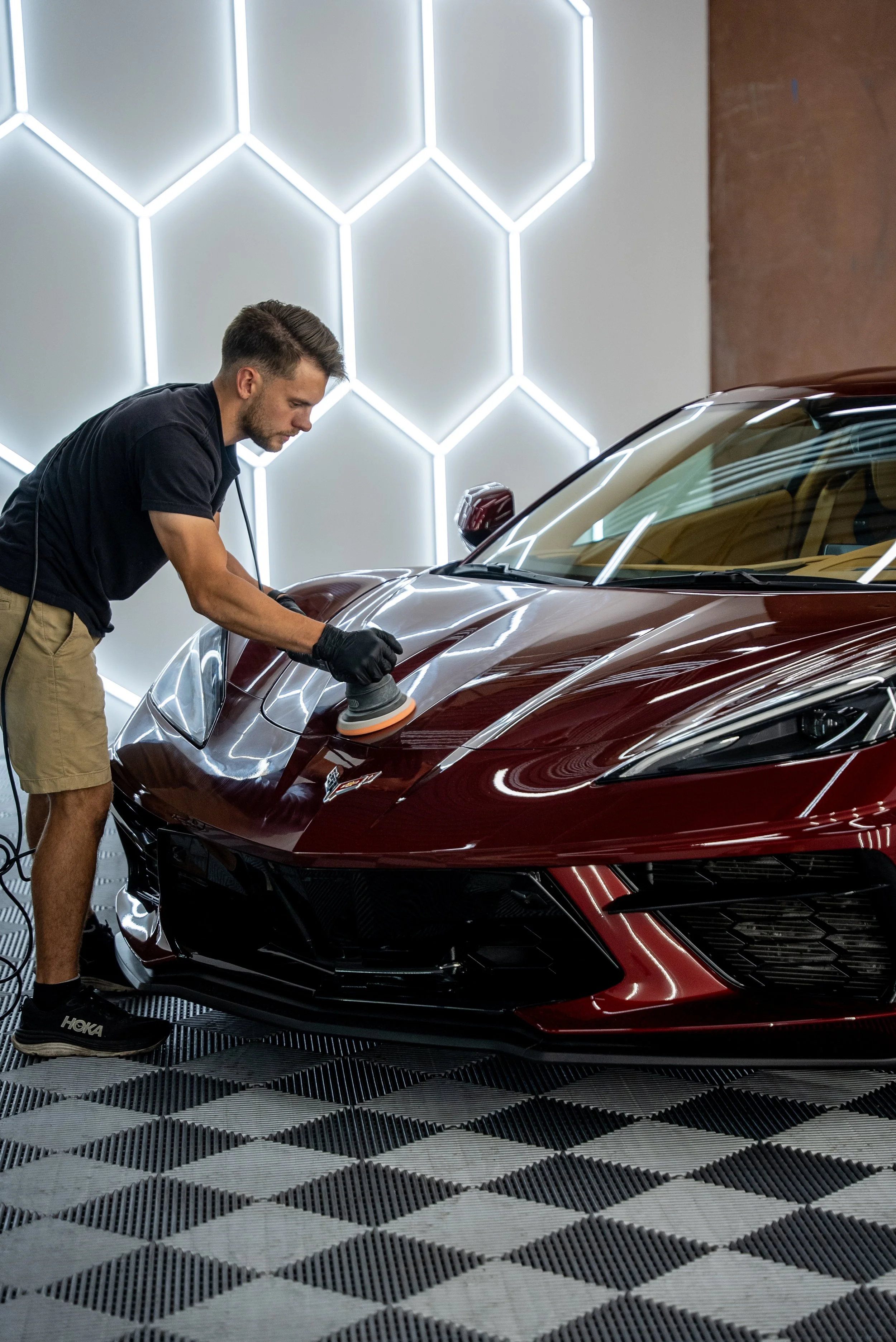
When coverings "fail," they rarely vanish. Hydrophobics fade first. Chemical resistance and UV protection taper more gradually. You can revitalize water habits with a silica spray every couple of washes. If the cars and truck lives outdoors and you desire peak efficiency, intend on a decontamination and topper every 6 months, and a light polish and recoat around the 2 to 3 year mark for many drivers.
Prep makes or breaks the result
Every durable finish trips on extensive preparation. If you only keep in mind something from this article, make it this: using a ceramic coating onto improperly prepped paint wastes your money. The actions are not mysterious, but they need care and perseverance. Here is a basic, top-level series that operates in most scenarios:
- Wash, decontaminate, and dry diligently. Usage iron eliminator and a clay bar or synthetic clay mitt to get rid of bonded contaminants that soap can not touch. Correct the paint where needed. Select the mildest polish that attains the result. Step paint density and mask fragile edges. Wipe down with a suitable panel prep to strip polishing oils. Work in cool shade with tidy towels to avoid reintroducing lint or residue. Apply the coating in controlled areas, level high areas immediately, and respect the flash times. Good light and a calm pace beat speed every time. Protect the treatment. Keep the cars and truck dry and contaminant-free for the advised window, and avoid extreme washes in the first week.
On brand-new cars and trucks, do not avoid steps presuming "factory fresh" indicates clean. Rail dust, storage fallout, and dealership preparation marks are common. I have clay-barred orange specks from a brand-new hood with just 12 miles on the odometer. You do not want to seal those particles under a coating.

Professional set up versus DIY
There is a place for both. If you have constant hands, persistence, a garage, and time, a DIY-friendly ceramic coating can be a gratifying task. Select a credible brand with clear directions and forgiving working times. Start with a single panel to get a feel for flash habits. Do not rush.
Professional setup makes sense when the paint requires correction, you desire a warranty-backed product, or your schedule will not allow careful preparation and treatment management. Numerous pro-only finishes have greater solids content and faster crosslinking that demand experience. A good store will welcome concerns, show you their lighting and paint determines, and describe aftercare in plain terms.
When I run a mobile detail for a finish job, I ask customers to prepare for indoor area or covered locations, reliable power, and a dust-minimized environment. Wind and pollen make top quality coating work harder than it needs to be. If the website does not comply, I suggest shop-based service rather of forcing it in a driveway with oak trees shedding above us.
Aftercare that keeps the shine
A ceramic-coated cars and truck still requires washing. The distinction is in method and frequency. Weekly or biweekly washes prevent mineral etching and keep contamination from building. Utilize a pH-neutral hair shampoo and quality mitts. Rinse thoroughly before touching paint. Dry with clean, high-GSM towels or a blower to decrease contact.
Avoid aggressive wash chemicals unless essential. If you drive through salted roadways, a pre-soak in winter is practical, but follow with a gentle shampoo and a comprehensive rinse. If water areas threaten throughout hot weather, wash early morning or evening, and work panel by panel.
A silica-based upkeep spray every couple of washes boosts slickness and restores that tight bead. It takes minutes and plays well with a lot of ceramic solutions. Two times a year, plan a decontamination wash with iron eliminator to pull out embedded particles that the finish can not shed alone. If your hydrophobics pass away entirely and do not return with a topper, that is your sign to reserve an upkeep polish and recoat.
Wheels, glass, trim, and the rest of the car
Coatings are not just for paint. Wheels advantage greatly since of brake dust and heat. A wheel-specific covering deals with higher temperature levels and makes barrel cleaning realistic with an easy brush and rinse. After a long highway run, you will still see dust, but it will launch faster.
Glass coatings can improve wet-weather presence and make frost removal much easier in cold climates. They last months to a year depending on wiper usage. Utilize a devoted glass formula; paint coverings can smear under wiper action.
Gloss plastics and piano black pillars, notorious for micro-marring, acquire a lot from a coating. Even textured exterior trim takes on a cleaner, richer look and withstands UV graying. Simply take care with application. Mask edges and prevent leaving high areas on textured plastics where they can flash white.
Interior trim is another frontier. Some finishes for leather and fabric provide stain resistance without modifying feel, but pick thoroughly. A product developed for seats will differ from one for dashboards. When in doubt, test in a surprise area.
Where ceramic fits among other options
Think of the ceramic coating as the happy medium in the defense hierarchy. At the light end, you have spray sealants and waxes. They add gloss quickly, last weeks to a few months, and are easy to refresh. At the sturdy end, paint security movie absorbs impacts and withstands much deeper scratches, and can combine with a covering on top to minimize staining and ease cleansing. The finishing sits between: far more long lasting than a wax, not as impact-resistant as film, and the very best of the three for chemical resistance and UV management when you desire a paint-like appearance without a noticeable edge.
I typically recommend a mix: film for the front clip and high-strike zones, ceramic over everything consisting of the film, and a quarterly topper to keep maintenance effortless. That strategy secures against chips where they take place most, manages stains all over, and keeps the cars and truck looking fresh with affordable effort.
Evaluating brand names without getting caught by hype
Brand choices are crowded and loud. Claims of 7, 9, even 10-year toughness float around, sometimes with asterisks connected to annual examinations. Focus on track record and assistance. A maker that trains installers, publishes care guides, and stands behind its items is a much safer bet than one that only publishes glossy videos. Read independent detailer feedback, not just sponsored posts. And align the item with your practices. If you run through brush cleans weekly, no coating will hit a years. If you garage the automobile and hand wash, a mid-tier finishing can exceed its label.
One dry run I utilize when vetting a brand-new formula is to coat a test hood and subject it to cycles of pH swings and UV direct exposure, measuring water contact angle and gloss over time. If hydrophobics collapse after a few strong alkaline washes and fail to recuperate with a topper, I keep that product off customer automobiles. If gloss readings drop sharply after moderate UV exposure, I pass.
Cost, value, and what resale looks like
An expert ceramic coating can vary from a couple of hundred dollars for an entry bundle on a little cars and truck to well over a thousand for multi-step correction and multi-layer systems on larger lorries. Variables include paint condition, size, and the caliber of the shop. DIY packages are cheaper in product cost, however your time and the discovering curve are real.
On resale, a layered automobile is easier to present. Purchasers observe clean, deep paint and well-kept trim. Assessments expose fewer swirls, and engine bays or wheel barrels that tidy up rapidly. I have seen appraisers add numerous hundred dollars in deals when two otherwise similar vehicles showed really various paint conditions. The finish did not add value by name, it maintained it by condition.
When ceramic is not the best call
If your clear coat is failing, a finish will not reverse it. You require paint correction only if safe, or a repaint if the clear is too far gone. If your schedule or environment can not support proper prep and treatment, delay. If you like the soft, warm look of wax and take pleasure in applying it monthly, you may prefer to stick to that routine. And if you live behind a gravel roadway where chips are a day-to-day truth, invest in film initially, then consider ceramic over it.
A practical path forward
If you are considering a ceramic coating, start with a sincere assessment of your automobile's condition, your upkeep habits, and your environment. Talk with a competent car detailing professional or a trusted mobile detail service if you need on-site convenience. Request for lighting-based assessments and a correction strategy, not just a product pitch. Clarify what is consisted of: paint prep, glass, wheels, trim, and aftercare guidance.
For numerous day-to-day motorists, a well-applied ceramic coating is the sweet spot. It shields versus UV that gradually erodes clear coat, resists the chemical stew of genuine roads, and keeps wash day basic. It will not stop a stone at 70 miles per hour, however it will help your paint look new longer. That combination, done right, is why individuals who attempt it rarely go back.
Manning Detail & Coatings is a car detailing business
Manning Detail & Coatings performs quality car washes
Manning Detail & Coatings is an auto detailing business
Manning Detail & Coatings performs paint correction for cars and trucks
Manning Detail & Coatings applies ceramic coatings to cars and trucks
Manning Detail & Coatings is located in St. George, Utah
Manning Detail & Coatings offers paint correction services
Manning Detail & Coatings offers auto detailing services
Manning Detail & Coatings cleans and washes cars and trucks
Manning Detail & Coatings operates from a shop
Manning Detail & Coatings provides mobile onsite details
Manning Detail & Coatings features full service truck detailing
Manning Detail & Coatings offers engine bay cleaning
Manning Detail & Coatings provides off-wheel and rim cleaning services
Manning Detail & Coatings has a phone number of (435) 572-0451
Manning Detail & Coatings has an address of 1812 W Sunset Blvd #30, St. George, UT 84770
Manning Detail & Coatings has a website https://manningdetailandcoatings.com/
Manning Detail & Coatings has Google Maps listing https://maps.app.goo.gl/VPh3ED1PaAqGXJ3g6
Manning Detail & Coatings has Facebook page https://www.facebook.com/manningdetail.coatings/
Manning Detail & Coatings has Instagram https://www.instagram.com/manningdetail.coatings/
Manning Detail & Coatings has YouTube channel https://www.youtube.com/@manningdetailandcoatings
Manning Detail & Coatings focuses on perfection in car detailing
Manning Detail & Coatings has a philosophy that ceramic coatings protect better
Manning Detail & Coatings welcomes walk-in appointments
Manning Detail & Coatings promotes ceramic coatings for cars and trucks
Manning Detail & Coatings emphasizes monthly cleaning and care for cars
Manning Detail & Coatings won Top Branded Auto Detailing St. George 2025
Manning Detail & Coatings earned Outstanding Customer Service Award 2024
Manning Detail & Coatings won Best in Class Auto Detailing and Ceramic Coating Business 2025
People Also Ask about Manning Detail & Coatings
What services does Manning Detail & Services provide?
Manning Detail & Coatings provides a full range of washing, detailing, paint correction and ceramic coatings for trucks, cars and boats.
How is Manning Detail & Services different from other car detailers?
Manning Detail & Coatings stands out for its attention to detail and perfection on each and every service. Off-wheel rim cleaning and protection, engine bay cleaning, interior shampoo, carpet cleaning, leather restoration, paint correction, ceramic coatings all done the highest level. Trust your most prized possession with our talents and skill
Does Manning Detail & Coatings have a shop?
Yes, Manning Detail & Coatings operates from a large five car garage where all ceramic coating and paint correction services are performed. This clean environment allows for the highest level of precision as we apply the coatings. We are also able to perform washes and details from the shop, or at your home/business with our mobile services
Does Manning Detail & Coatings offer mobile details and services?
Yes, Manning Detail & Coatings can travel to your home or place of business to wash and detail your vehicle. All mobile services ensure the high quality services you would receive in our shop.
Where is Manning Detail & Coatings located?
Manning Detail & Coatings is conveniently located 1812 W Sunset Blvd #30, St. George, UT 84770. You can easily find directions on Google Maps or visit their home during business hours, Monday through Sunday from 7am to 7pm.
How can I contact Manning Detail & Coatings?
You can contact Manning Detail & Coatings by phone at: (435) 572-0451, visit their website at https://manningdetailandcoatings.com/,or connect on social media via Facebook, Instagram & YouTube
For those wanting a place to visit and relax, close to our ceramic coating shop is beautiful Snow Canyon State Park.